
1000 Most Common Chinese Words For Beginners – Lesson 29
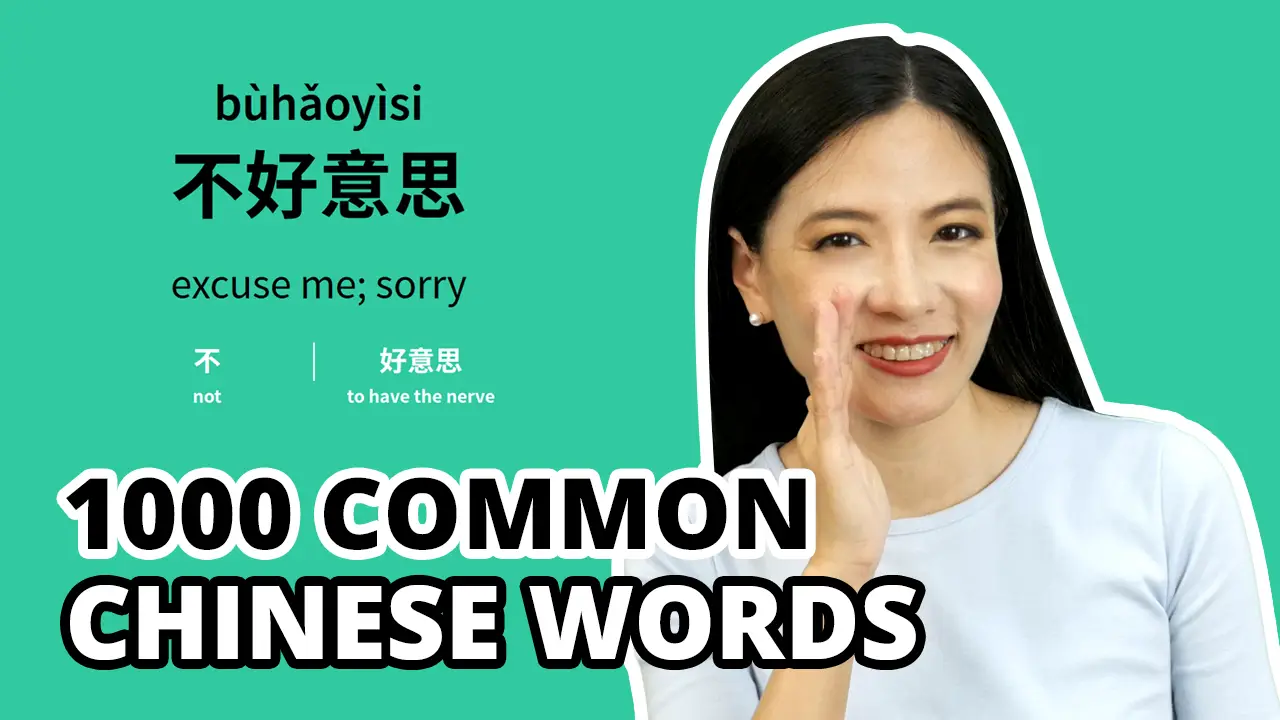
1000 Most Common Chinese Words For Beginners: Lesson 29
In this 29th lesson of our "1000 Most Common Chinese Words For Beginners" Course, we will learn another group of the 1000 Most Common Chinese Words, which contains the following 20 words and phrases that are very useful for daily Chinese conversations:
- 什么样 shénmeyàng ▸ what kind; what type; what sort (of)
- 比如 bǐrú ▸ v. for example
- 一路平安 yílù-píng'ān ▸ have a safe trip; have a safe journey
- 刚才 gāngcái ▸ n. just now; a moment ago [refers to the time point that is a short while ago, as opposed to "now(现在)"]
- 离 lí ▸ v. to be away from
- 课 kè ▸ n. lesson; class
- 书店 shūdiàn ▸ n. book shop; bookstore
- 想到 xiǎngdào ▸ v. to think of; to come up with; to have sth. call to mind
- 做到 zuòdào ▸ v. phr. to achieve; to accomplish
- 难 nán ▸ adj. hard; difficult
- 毕业 bìyè ▸ v. / v. phr. to graduate
- 广告 guǎnggào ▸ n. advertisement; commercial
- 有趣 yǒuqù ▸ adj. interesting; amusing
- 为 wèi ▸ prep. for; for the sake of
- 耳朵 ěrduo ▸ n. ear
- 礼物 lǐwù ▸ n. gift; present
- 香蕉 xiāngjiāo ▸ n. banana
- 树 shù ▸ n. tree
- 交朋友 ▸ jiāo péngyou v. phr. to make friends
- 继续 jìxù ▸ v. to continue; to go on (with)
VOCABULARY USAGE
1.
什么样 shénmeyàng
what kind; what type; what sort (of)
EXAMPLE SENTENCES
- Tā shì ge shénmeyàng de rén?
她是个什么样的人?
She is “ge” what-kind -de- person?
What-kind of (one) “ge” (of) person is she? - Nǐ xiǎng yào shénmeyàng de shēnghuó?
你想要什么样的生活?
You want want-to-own what-kind -de- life?
What kind of life do you want to have?
2.
比如 bǐrú
v. ▸ for example
EXAMPLE SENTENCES
- Wǒ xǐhuan tīng yīnyuè, bǐrú yáogǔn hé shuōchàng.
我喜欢听音乐,比如摇滚和说唱。
I like listen music, for-example rock and rap.
I like listening to music, for example rock and rap. - Yǒuxiē shíwù duì shēntǐ jiànkāng, bǐrú yú hé shūcài.
有些食物对身体很健康,比如鱼和蔬菜。
Some food to body very healthy, for-example fish and vegetables.
Some foods are very good for health, for example fish and vegetables.
3.
一路平安 yílù-píng'ān
have a safe trip
EXAMPLE SENTENCES
- Lǚxíng shí yào zhàogù hǎo zìjǐ, yílù-píng’ān!
旅行时要照顾好自己,一路平安!
Travel time should look-after good self, have-a-safe-trip!
When traveling, take good care of yourself. Have a safe trip! - Nǐmen kāi chē qù ma? Yílù-píng’ān!
你们开车去吗?一路平安!
You-guys drive-vehicle go -ma? Have-a-safe-trip!
Are you driving there? Have a safe trip!
4.
刚才 gāngcái
n. ▸ just now; a moment ago [refers to the time point that is a short while ago, as opposed to “now(现在)”]
EXAMPLE SENTENCES
- Nǐ gāngcái shuō shénme? Wǒ méi tīngdào.
你刚才说什么?我没听到。
You just-now say what? I not hear.
What did you say just now? I did not hear it. - Bùhǎoyìsi, wǒ gāngcái zǒushén le.
不好意思,我刚才走神了。
Sorry, I just-now leave-mind -le.
Sorry, I just spaced out.
5.
离 lí
v. ▸ to be away from
EXAMPLE SENTENCES
- Wǒ jiā lí gōngsī hěn jìn.
我家离公司很近。
My home “li” company very close.
My home is very close to the company. - Lí xiàbān háiyǒu duō jiǔ?
离下班还有多久?
“Li” get-off-work additionally “exist” how long?
How long is it until we get off work?
6.
课 kè
n. ▸ lesson; class
EXAMPLE SENTENCES
- Wǒ hěn xǐhuan shàng Zhōngwénkè.
我很喜欢上中文课。
I very like attend Chinese classes.
I really like taking Chinese class. - Wǒ měitiān zài jiāli shàng wǎng kè.
我每天在家里上网课。
I every day “zai” home-inside attend (Inter)net classes.
I take online classes at home every day.
7.
书店 shūdiàn
n. ▸ book shop; bookstore
EXAMPLE SENTENCES
- Wǒ de mèngxiǎng shì kāi yì jiā shūdiàn.
我的梦想是开一家书店。
I -de- dream is open one “jia” bookstore.
My dream is to open a bookstore. - Shūdiàn de shū dǎzhé le.
书店的书打折了。
Bookstore -de- books give-discount -le.
The bookstore’s books are on sale.
8.
想到 xiǎngdào
v. ▸ to think of; to come up with; to have something called to mind
EXAMPLE SENTENCES
- Méi xiǎngdào zhè jiàn shì zhème fùzá.
没想到这件事这么复杂。
Not think-“dao” this “jian” thing this complicated.
I did not expect this to be so complicated. - Měi cì tīngdào zhè shǒu gē, wǒ dōu huì xiǎngdào nǐ.
每次听到这首歌,我都会想到你。
Every time hear this “shou” song, I all will think-“dao” you.
Every time I hear this song, I think of you.
9.
做到 zuòdào
v. phr. ▸ to achieve; to accomplish
EXAMPLE SENTENCES
- Nǐ yīnggāi shuōdào zuòdào!
你应该说到做到!
You should say-“dao” do-“dao”!
You should do what you say! - Nǐ shì zěnme zuòdào de?
你是怎么做到的?
You -shi- how do-“dao” -de?
How did you manage to do it?
10.
难 nán
adj. ▸ hard; difficult
EXAMPLE SENTENCES
- Nǐ juéde Hànzì nán bu nán?
你觉得汉字难不难?
You think Chinese-characters difficult-not-difficult?
Do you think Chinese characters are difficult or not? - Kāi shūdiàn hěn nán zhuànqián.
开书店很难赚钱。
Open bookstore very difficult earn money.
It is hard to make money running a bookstore.
11.
毕业 bìyè
v. / v. phr. ▸ to graduate
EXAMPLE SENTENCES
- Nǐ shì nǎ yì nián bìyè de?
你是哪一年毕业的?
You -shi- which one year graduate -de?
Which year did you graduate? - Wǒ bìyè yǐhòu xiǎng dāng lǎoshī.
我毕业以后想当老师。
I graduate time-after want to be teacher.
After graduating, I want to be a teacher.
12.
广告 guǎnggào
n. ▸ advertisement; commercial
EXAMPLE SENTENCES
- Zhège guǎnggào ràng wǒ hěn xiǎng chī shǔpiàn.
这个广告让我很想吃薯片。
This “ge” commercial let me very want to eat potato-chips.
This ad made me really want to eat potato chips. - Yuánlái zhè tiáo shìpín shì yí ge guǎnggào.
原来这条视频是一个广告。
(It) turns-out this “tiao” video is one “ge” commercial.
So this video was an ad.
13.
有趣 yǒuqù
adj. ▸ interesting; amusing (used in declarative sentences)
EXAMPLE SENTENCES
- Tā shì yí ge hěn yǒuqù de rén.
她是一个很有趣的人。
She is one “ge” very interesting -de- person.
She is a very interesting person. - Nǐ de jīnglì tài yǒuqù le!
你的经历太有趣了!
Your experience too interesting -le!
Your experience is so interesting!
14.
为 wèi
prep. ▸ for; for the sake of
EXAMPLE SENTENCES
- Wǒ wèi nǐ jiāo’ào.
我为你骄傲。
I for you proud.
I am proud of you. - Xièxie nǐ wèi wǒ zuò le zhème duō!
谢谢你为我做了这么多!
Thank you for me do -le this much!
Thank you for doing so much for me!
15.
耳朵 ěrduo
n. ▸ ear
EXAMPLE SENTENCES
- Wǒ de ěrduo li jìn shuǐ le.
我的耳朵里进水了。
My ear-inside enter water -le.
Water got into my ear. - Zhè shǒu gē tài chǎo le, wǒ de ěrduo shòu bu liǎo.
这首歌太吵了,我的耳朵受不了。
This “shou” song too loud-and-noisy -le, my ears accept-“buliao”.
This song is too loud. My ears cannot take it.
16.
礼物 lǐwù
n. ▸ gift; present
EXAMPLE SENTENCES
- Xièxie nǐ sòng gěi wǒ de shēngrì lǐwù.
谢谢你送给我的生日礼物。
Thank you present to me -de- birthday gift.
Thank you for the birthday gift you gave me. - Nǐ xiǎng yào shénme lǐwù?
你想要什么礼物?
You want want-to-own what gift?
What gift do you want?
17.
香蕉 xiāngjiāo
n. ▸ banana
EXAMPLE SENTENCES
- Búyào luàn rēng xiāngjiāo pí.
不要乱扔香蕉皮。
Not-should carelessly throw-away banana peel.
Do not throw banana peels around. - Wǒ duì xiāngjiāo guòmǐn.
我对香蕉过敏。
I to bananas be-allergic.
I am allergic to bananas.
18.
树 shù
n. ▸ tree
EXAMPLE SENTENCES
- Kàn! Shùshang yǒu yì zhī sōngshǔ!
看!树上有一只松鼠!
Look! Tree-surface “exist” one “zhi” squirrel.
Look! There is a squirrel in the tree! - Wǒ xiǎoshíhou hěn ài pá shù.
我小时候很爱爬树。
I little-time very love climb trees.
When I was little, I really loved climbing trees.
19.
交朋友 jiāo péngyou
v. phr. ▸ to make friends
EXAMPLE SENTENCES
- Tā hěn wàixiàng, hěn xǐhuan jiāo péngyou.
他很外向,很喜欢交朋友。
He very outgoing, very like make friends.
He is very outgoing and likes making friends. - Wǒ xiǎng hé nǐ jiāo ge péngyou.
我想和你交个朋友。
I want to with you make “ge” friend.
I want to make friends with you.
20.
继续 jìxù
v. ▸ to continue; to go on (with)
EXAMPLE SENTENCES
- Qǐng jìxù shuō.
请继续说。
Please continue speak.
Please continue speaking. - Jīntiān jiù dào zhèlǐ, wǒmen míngtiān jìxù.
今天就到这里,我们明天继续。
Today just (for emphasis) arrive here, we tomorrow continue.
That is all for today. We will continue tomorrow.